A business may interact with customers through many different channels. A customer might first see a social media post, then visit the website, receive a quotation, see a product package or contact the business through WhatsApp. If each touchpoint looks completely different, it can be difficult to build a recognisable identity.
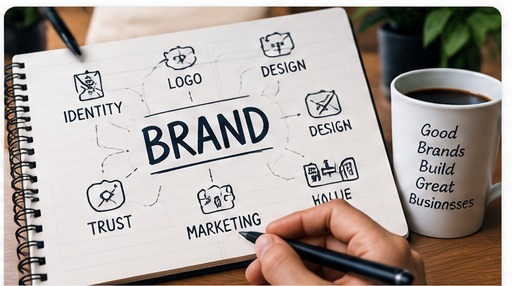
Consistent branding brings the visual and communication elements of a business together. This includes the logo, colours, typography, imagery, design style, messaging and the way the business presents itself across different platforms.
What Is Brand Consistency?
Brand consistency means using a defined visual identity and communication style across the different places where a business interacts with its audience.
A consistent brand can include the same logo treatment, colour palette, fonts, photography style, graphic elements, tone of communication and key business messages.
Why Branding Is Important for Businesses
Branding helps a business communicate who it is and what it offers. Customers often encounter a business multiple times before making a purchase or contacting the company.
When the same visual identity and message are used consistently, these different interactions can feel like part of one connected business experience.
1. Create a Clear Brand Identity
A strong branding process starts with defining the basic identity of the business. Before creating individual designs, decide how the business should appear and communicate to its target customers.
Important brand identity elements can include:
- Logo and logo variations
- Primary and secondary colours
- Typography and font choices
- Photography and image style
- Graphic design elements
- Brand messaging
- Communication tone
- Icons and visual patterns
2. Use the Same Logo Correctly
The logo is one of the most visible elements of a brand. It should be presented consistently across websites, social media, documents, advertisements, packaging and other business materials.
A brand can maintain different logo variations for different situations, but each version should follow clear usage rules. Avoid stretching, changing colours unnecessarily or placing the logo where it becomes difficult to read.
3. Define a Consistent Colour Palette
Colours can become strongly associated with a brand when they are used consistently. Define primary and supporting colours that work across digital and printed materials.
A useful brand colour system should also consider readability, contrast, backgrounds, buttons, headings and other interface elements when the colours are used on a website.
4. Choose Suitable Typography
Typography influences how business content looks and feels. Using too many unrelated fonts can make marketing materials appear disconnected.
Define a small set of fonts and establish how they will be used for headings, body text, buttons, captions and other important content.
5. Keep Your Website Consistent With Your Brand
Your website is often one of the main places customers learn about a business. Its design should reflect the same visual identity used in other marketing materials.
Check the logo, colours, fonts, photography, icons, buttons and content style across important pages. The website should feel connected to the business rather than looking like a completely separate identity.
6. Maintain Consistency on Social Media
Social media gives businesses frequent opportunities to communicate with customers. Profile images, post designs, colours, typography and messaging can follow the brand identity established for the business.
This does not mean every post has to look identical. Different campaigns can have different layouts while still following the same underlying brand guidelines.
7. Make Your Marketing Materials Consistent
Business cards, brochures, quotations, presentations, advertisements, posters and promotional materials should use the same core identity.
Consistency helps create a connected experience when a customer moves from one communication channel to another.
8. Use Consistent Brand Messaging
Branding is not only about colours and graphics. The words a business uses also contribute to its identity.
Define the key services, benefits and messages that should be communicated regularly. The tone can be professional, friendly, technical, approachable or another style that suits the target audience.
9. Create Brand Guidelines
A brand guideline document can help employees, designers and marketing teams maintain consistency. It provides a reference for using the identity correctly.
A basic brand guideline may include:
- Logo usage and clear-space rules
- Approved logo variations
- Colour codes
- Typography
- Photography style
- Icon and graphic style
- Social media design guidance
- Communication tone
- Examples of correct and incorrect usage
10. Keep Branding Consistent Across Offline and Online Channels
Customers do not always interact with a business through only digital channels. Printed brochures, packaging, signage, invoices, uniforms, business cards and other materials can also contribute to the overall brand experience.
Use the same core identity across both offline and online materials while adapting layouts to suit each format.
11. Use Professional and Relevant Visuals
Images and graphics should support the brand and the message being communicated. Random stock images or unrelated design styles can make different marketing materials feel disconnected.
Establish a preferred photography, illustration or graphic style and apply it consistently where appropriate.
12. Review Branding Regularly
Brand consistency does not mean that a business can never update its design. Businesses may refresh their visual identity as their products, customers or market positioning change.
If the brand is updated, document the new identity and apply the changes consistently across important customer touchpoints rather than changing only one platform.
Common Branding Mistakes Businesses Should Avoid
- Using different logos on different platforms
- Changing brand colours without a clear reason
- Using too many unrelated fonts
- Mixing completely different design styles
- Using inconsistent business descriptions
- Ignoring mobile presentation of branded content
- Creating marketing materials without brand guidelines
- Changing messaging from one channel to another
- Using low-quality or unrelated visual assets
Branding for Growing Businesses in Coimbatore
Businesses in Coimbatore operate across manufacturing, retail, textiles, education, healthcare, food, professional services, technology and many other sectors. A clear brand identity can help businesses present a consistent image as they expand their marketing activities.
Whether a business is creating its first website, launching social media campaigns or expanding into new markets, branding should be considered across the complete customer journey.
If you are developing your business identity, our branding and graphic design services in Coimbatore can be used to discuss logos, marketing creatives, visual identity and other branding requirements.
How to Build a Consistent Brand
- Define your target audience and business positioning.
- Create a clear logo and visual identity.
- Select your brand colours and typography.
- Define your messaging and communication tone.
- Create simple brand guidelines.
- Apply the identity to your website.
- Use the same core identity on social media.
- Update printed and promotional materials.
- Train relevant team members on brand usage.
- Review important customer touchpoints regularly.
Branding and Website Design Should Work Together
A website is not only a technical platform. It is also a major part of the brand experience. The visual identity, content, navigation, photography and user interface should work together.
When a business has a defined brand identity, website designers and developers can use it as a foundation for creating a more consistent digital experience.
Businesses planning a new website can also explore our website development services in Coimbatore to connect branding with their digital presence.
Why Consistency Matters as Your Business Grows
As a business grows, more people may become involved in sales, marketing, design and customer communication. Without clear brand guidelines, different teams may unintentionally create materials that look unrelated.
A documented brand system gives the team a shared reference and makes it easier to maintain the same identity across future campaigns and business channels.
Looking for Branding Services in Coimbatore?
Error Tech Solutions provides branding and graphic design solutions for businesses, including visual identity, marketing creatives, website branding and digital design requirements.
Explore our Branding & Graphic Design services or learn more about our Website Development services .
Planning to Build or Refresh Your Brand?
Tell us about your business, target customers and current branding. Our team can discuss a suitable visual identity and digital branding approach for your business.
Contact Error Tech Solutions