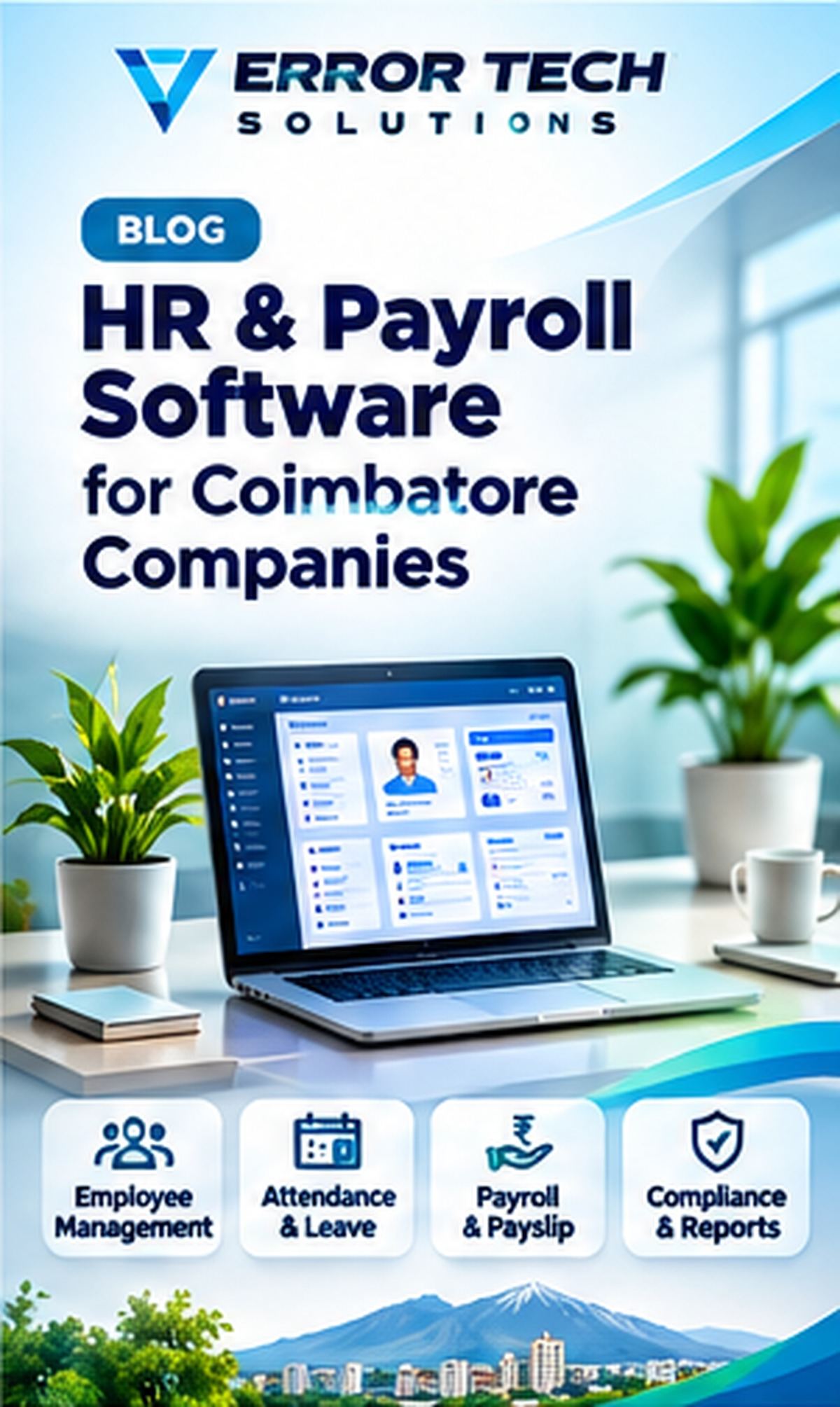
Growing companies need accurate employee records, attendance, leave, shift information and payroll inputs. HR software can centralize these records and reduce manual reconciliation, provided the rules are configured to match company policy and applicable regulations. This guide explains the main workflows, selection criteria and implementation considerations for businesses evaluating this type of solution.
Why companies centralize HR operations
Employee details may be maintained in spreadsheets while attendance comes from devices, leave requests arrive through messages and payroll inputs are prepared separately. A connected HR system can reduce duplication and create a traceable workflow.
Employee records and role permissions
Maintain employee profiles, department, designation, joining details, employment status and authorized documents. Restrict access to personal and salary information. Keep a history of changes to important employee records.
Attendance, shifts and leave
Attendance rules should define work schedules, grace periods, overtime, holidays, weekly offs and correction approvals. Support shift assignment and leave balances according to the organization's written policy. Device or mobile attendance integrations should be tested for exceptions.
Payroll inputs and payslips
Payroll calculations depend on salary structure, attendance, leave, deductions, reimbursements and applicable statutory rules. Configure and validate these with qualified payroll or accounting professionals; software should not be treated as legal or tax advice.
Employee self-service and reports
An employee portal may provide attendance summaries, leave requests, payslips and profile updates. HR reports can include headcount, attendance exceptions, leave balances and payroll summaries, with access controlled by role.
How to implement HRMS safely
Clean employee master data, document company policies and test payroll using sample cases before processing live salaries. Verify permissions, backups, export options, audit trails, support and integration reliability.
How Error Tech Solutions Can Help
Error Tech Solutions develops business websites, custom software, ERP, CRM, billing and workflow automation solutions. The right implementation depends on your actual process, team and integration requirements.
Explore our software development services, view our project portfolio, or contact our team to discuss your requirement.
Related Services and Projects
Planning a New Business System?
Tell us about your workflow and the problem you want to solve. We can discuss a practical technology approach for your business.
Contact Error Tech Solutions